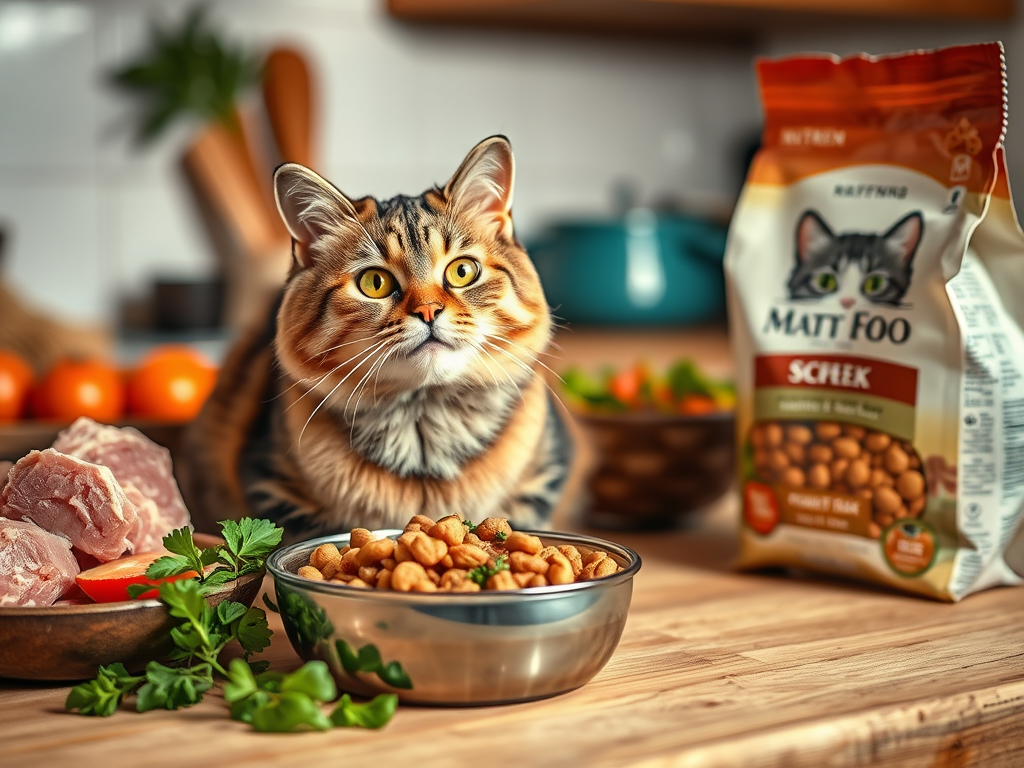
As more pet parents aim to provide the healthiest lives possible for their cats, the question of what to feed them has become more important—and more complex. One major decision many cat owners face is whether to feed homemade cat food or stick with commercial store-bought options.
On the surface, homemade food sounds ideal: fresh, customizable, and free of additives. But is it nutritionally complete? On the other hand, store-bought foods are convenient and often formulated to meet feline dietary needs—but do they contain fillers or unhealthy ingredients?
In this post, we’ll explore the key differences between homemade and store-bought cat food, outline the pros and cons of each, and help you determine which might be best for your cat (and your lifestyle).
Understanding a Cat’s Nutritional Needs
Before comparing food types, it’s critical to understand that cats are obligate carnivores. This means:
- They require high levels of animal-based protein.
- They need specific nutrients like taurine, arachidonic acid, vitamin A, and vitamin D, which are found only in animal tissue.
- A deficiency in just one essential nutrient can cause serious health problems—blindness, heart disease, liver issues, or even death.
Whether homemade or store-bought, a cat’s food must be carefully balanced to meet these biological needs.
Store-Bought Cat Food: Convenience with Caveats
Store-bought cat food comes in many forms: dry kibble, wet canned food, semi-moist pouches, freeze-dried raw, and more. These products are typically formulated by veterinarians and pet nutritionists to meet established standards (e.g., AAFCO in the U.S.).
Pros of Store-Bought Cat Food
- Nutritional Balance: Commercial brands are required to meet minimum nutritional requirements and often include all essential vitamins and amino acids.
- Convenience: Just open, scoop, and serve. It’s ideal for busy pet parents.
- Long Shelf Life: Dry kibble and canned foods can be stored for months.
- Options for Every Need: Whether your cat has allergies, weight issues, or kidney disease, there’s likely a formula for them.
- Cost-Effective: Many brands are budget-friendly, especially dry kibble.
Cons of Store-Bought Cat Food
- Quality Varies Widely: Some brands use low-quality meat by-products or fillers (corn, soy, wheat) that offer little nutritional value.
- Additives & Preservatives: Some contain artificial colors, flavors, or chemical preservatives.
- Recalls & Contamination Risks: Pet food recalls, though rare, do happen and can be life-threatening.
- Less Transparency: It’s hard to know exactly what goes into the food, even if you read the label.
Homemade Cat Food: Customization with Responsibility
Feeding your cat homemade meals can be rewarding, especially if you’re passionate about knowing exactly what goes into their food. However, it’s a big responsibility—cats have complex dietary needs that are easy to overlook without expert guidance.
Pros of Homemade Cat Food
- Full Ingredient Control: You choose every ingredient—no fillers, artificial additives, or preservatives.
- Potentially Fresher: Made in small batches, often using human-grade ingredients.
- Customizable: Great for cats with allergies or sensitivities; you can tailor meals to avoid problem foods.
- Bonding Experience: Preparing food can deepen the bond you share with your pet.
Cons of Homemade Cat Food
- Risk of Nutritional Imbalance: Without professional guidance, homemade meals can lack essential nutrients.
- Time-Consuming: Prepping, cooking, measuring, and storing takes more effort than pouring kibble.
- More Expensive: Quality meat, supplements, and time add up.
- Requires Supplementation: Many nutrients (like taurine and calcium) must be added with precision.
- Storage & Food Safety: Homemade food has a shorter shelf life and needs proper refrigeration or freezing.
What the Experts Say
Veterinarians often warn that most homemade cat food diets are nutritionally inadequate unless they follow a well-formulated recipe. In one study, more than 90% of homemade recipes found online or in books were deficient in at least one critical nutrient.
If you’re serious about homemade feeding, it’s best to:
- Work with a veterinary nutritionist.
- Follow a recipe developed by experts, not a random blog.
- Use supplements as needed (calcium, taurine, B vitamins, etc.).
- Rotate ingredients carefully to avoid excesses or deficiencies.
A Side-by-Side Comparison
| Feature | Homemade Cat Food | Store-Bought Cat Food |
|---|---|---|
| Ingredient Control | High | Low to Medium |
| Nutritional Balance | Risky without guidance | Generally balanced |
| Cost | Higher (especially with supplements) | Lower to moderate |
| Convenience | Low | High |
| Customizability | High | Medium |
| Food Safety | Requires proper storage | Regulated, but not immune to recalls |
| Time Commitment | High | Minimal |
| Expert Oversight Needed | Yes | No (usually) |
So… Which Is Better?
There’s no one-size-fits-all answer. The “best” option depends on your cat’s health, your lifestyle, your budget, and your willingness to research and prep food responsibly.
Choose Homemade If:
- You have time, resources, and are committed to working with a vet nutritionist.
- Your cat has allergies or sensitivities that commercial diets can’t manage.
- You want full control over every ingredient.
Choose Store-Bought If:
- You want a reliable, nutritionally complete diet with minimal effort.
- You’re looking for specialized diets (renal support, weight control, etc.).
- You prefer the convenience and cost savings of commercial products.
Consider a Hybrid Approach:
Some cat parents combine both: using a high-quality commercial food as a base and supplementing with fresh, homemade treats or toppers. This can give you the best of both worlds—nutrition and control.
Final Thoughts
Feeding your cat is one of the most important decisions you make as a pet owner. Whether you choose homemade or store-bought, the goal is the same: to give your feline friend a long, healthy, and happy life.
Whichever route you choose, do your research, consult professionals, and keep an eye on your cat’s health, weight, and behavior. After all, a well-fed cat is a thriving cat.
 Natural Pet Blog
Leave a comment