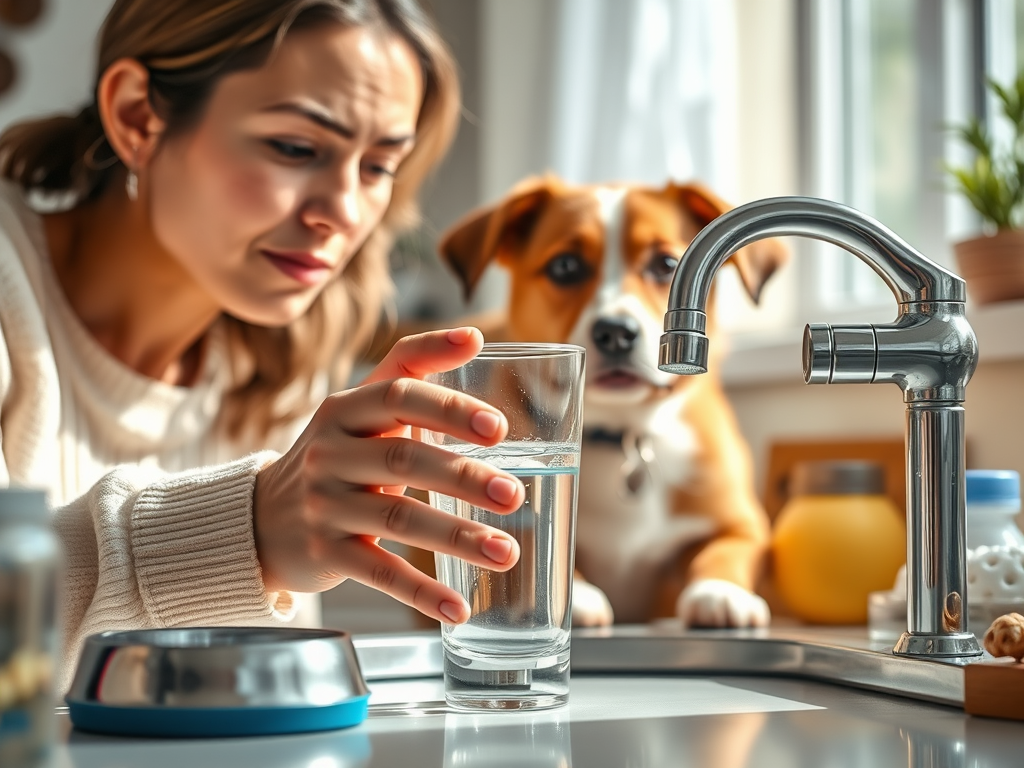
When it comes to your pet’s health, you likely think about their food, exercise, and vet visits. But one often-overlooked factor that can significantly influence your pet’s well-being—particularly their gut health—is the water they drink. Specifically, the quality of city water, or municipal tap water, can play a surprising role in your dog’s or cat’s digestive health. Let’s dive deep into how city water can impact your pet’s gut microbiome and what you can do to protect them.
Understanding Gut Health in Pets
Before we address water, it’s essential to understand what we mean by “gut health.” Your pet’s gut is home to trillions of microorganisms, collectively known as the gut microbiota. This ecosystem supports digestion, immunity, nutrient absorption, and even behavior. A balanced gut microbiome is crucial for overall health. Disruptions to this balance—called dysbiosis—can lead to a range of issues like diarrhea, bloating, food sensitivities, skin conditions, and more.
What’s in City Water?
Municipal water systems are designed to provide clean, potable water for human consumption, but that doesn’t always mean it’s ideal for pets. City water can contain:
- Chlorine and Chloramine: These are disinfectants used to kill pathogens in water. While they serve an important purpose, they can also destroy beneficial gut bacteria when ingested over time.
- Heavy Metals: Trace amounts of metals like lead, copper, and zinc can leach into water from old pipes. Even in small amounts, these can stress your pet’s organs and disrupt gut flora.
- Fluoride: Added to water to support dental health in humans, fluoride in large doses may affect thyroid function and gastrointestinal balance in pets.
- Pharmaceutical Residues: Studies have found trace amounts of pharmaceuticals—including antibiotics, hormones, and mood stabilizers—in municipal water supplies.
- Microplastics and Pesticides: These contaminants are becoming more common and are not always filtered out during standard water treatment processes.
While these substances are generally present in low concentrations, pets are smaller than humans and often have different metabolic sensitivities, making them more susceptible to chronic, low-dose exposure.
How Contaminants Affect Pet Gut Health
1. Disruption of the Microbiome
Just like in humans, the gut microbiome in pets is delicate. Chlorine and chloramine, while necessary to kill harmful bacteria, don’t discriminate between “bad” and “good” microbes. Over time, consistent exposure may lead to reduced diversity in the gut microbiota, weakening your pet’s immune defenses and making them more susceptible to infections and inflammatory conditions.
2. Toxin Accumulation
Heavy metals and pesticides can accumulate in the body, stressing the liver and kidneys. A stressed digestive system struggles to maintain microbial balance, leading to further gut issues like leaky gut syndrome or chronic gastrointestinal inflammation.
3. Increased Sensitivity and Allergies
Gut health is closely tied to immune system regulation. Disrupted gut flora may cause pets to develop food intolerances or environmental allergies that didn’t previously exist. You might notice increased itching, ear infections, or skin breakouts.
Signs Your Pet’s Gut Health May Be Affected
Keep an eye out for these symptoms, which could indicate an imbalance possibly linked to water quality:
- Frequent diarrhea or loose stools
- Gurgling stomach or excessive gas
- Bad breath unrelated to dental issues
- Recurring ear infections or skin conditions
- Decreased appetite or sudden food aversions
- Unexplained lethargy or behavioral changes
If any of these symptoms persist, consult a veterinarian. They may recommend dietary changes, probiotics, or further testing.
What You Can Do to Protect Your Pet
1. Filter Their Water
Use a high-quality water filter that removes chlorine, chloramine, heavy metals, and other contaminants. Carbon block or reverse osmosis filters are effective. Make sure to change filters regularly.
2. Avoid Bottled Water
While it may seem like a safer option, bottled water can contain microplastics or lack beneficial minerals. Plus, it’s not an eco-friendly solution long-term.
3. Probiotics and Prebiotics
Adding pet-specific probiotics to your dog or cat’s diet can help restore microbial balance. Prebiotics (such as fiber) can support the growth of good bacteria.
4. Monitor for Local Water Quality Reports
Most cities provide an annual water quality report. Review it for information on contaminants, and consider additional filtration if anything concerning is reported.
5. Use Stainless Steel or Ceramic Bowls
Plastic bowls can harbor bacteria and leach chemicals into water. Stainless steel or ceramic is safer and easier to sanitize.
Final Thoughts
Your pet’s gut health is influenced by many factors, and water is one of the most fundamental. While city water may meet human safety standards, the long-term effects on pets—who have smaller bodies and unique sensitivities—shouldn’t be overlooked. By making small, informed choices about your pet’s water source, you can support their gut health, improve their quality of life, and possibly avoid costly vet visits down the road.
Have you noticed a change in your pet’s health after switching their water source? Share your experience in the comments below!
 Natural Pet Blog
Leave a comment