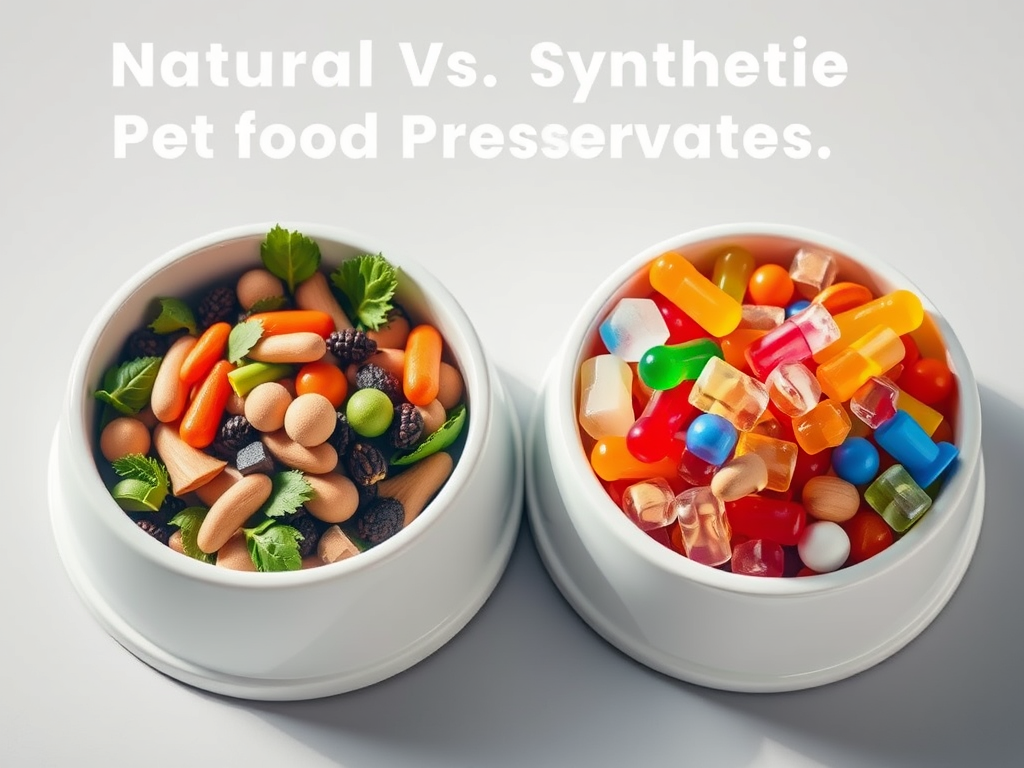
Preservatives in pet food are used to extend shelf life and maintain freshness, but they can also raise significant concerns regarding long-term health impacts on pets. In this blog post, we’ll explore what preservatives are, the differences between natural and synthetic varieties, how they affect your pet’s health, and what you can do to make better choices when feeding your dog or cat.
What Are Preservatives in Pet Food?
Preservatives are chemicals added to pet food to prevent spoilage from mold, bacteria, and oxidation. They help maintain texture, flavor, and nutritional value during storage and shipping.
There are two main categories:
- Synthetic preservatives: Chemically manufactured and often used in conventional, mass-market pet foods.
- Natural preservatives: Derived from natural sources like herbs or vitamins, commonly found in holistic and premium brands.
Common Preservatives Found in Pet Food
Synthetic Preservatives
These are widely used due to their low cost and effectiveness:
- BHA (Butylated Hydroxyanisole): Used to prevent fats from becoming rancid. Classified by the U.S. National Institutes of Health as “reasonably anticipated to be a human carcinogen.”
- BHT (Butylated Hydroxytoluene): Similar to BHA; used to preserve fat. Linked to cancer in lab animals.
- Ethoxyquin: Originally developed as a pesticide; used in animal feed but banned in human food. Suspected of causing liver and kidney damage in pets.
- Propylene glycol: A moisture-retainer, also found in antifreeze. It can affect red blood cell health in cats and is banned from cat food.
Natural Preservatives
- Vitamin E (mixed tocopherols): A natural antioxidant that slows oxidation.
- Vitamin C (ascorbic acid): Often used alongside tocopherols for longer shelf life.
- Rosemary extract: An herbal antioxidant with antimicrobial properties.
How Preservatives Can Impact Pet Health
1. Carcinogenic Risks
Several synthetic preservatives, especially BHA and BHT, have been associated with an increased risk of cancer in laboratory animals. While definitive studies on pets are limited, prolonged exposure may contribute to chronic diseases.
2. Liver and Kidney Strain
The liver is primarily responsible for detoxifying chemicals, including preservatives. Long-term ingestion of synthetic additives may overload this organ, potentially leading to liver enlargement or dysfunction. Ethoxyquin has been particularly scrutinized for its suspected liver toxicity.
3. Allergies and Sensitivities
Preservatives may trigger food allergies or intolerances, especially in sensitive animals. Symptoms can include:
- Itchy skin
- Chronic ear infections
- Gastrointestinal upset (vomiting or diarrhea)
- Lethargy or behavior changes
4. Disruption of Gut Microbiome
Some preservatives can alter the natural balance of gut bacteria. A disrupted microbiome may weaken the immune system and increase susceptibility to infections or inflammatory conditions.
5. Neurological Effects
There is emerging concern about synthetic preservatives affecting the neurological system in pets, potentially contributing to hyperactivity, confusion, or seizures, though more research is needed in this area.
Regulatory Oversight and Industry Practices
In the U.S., the FDA and AAFCO (Association of American Feed Control Officials) regulate what can be used in pet food. However, enforcement is often lenient, and many ingredients banned in human food are still allowed in animal products. Labeling loopholes may also allow manufacturers to avoid disclosing certain preservatives if they’re added before processing (e.g., in meat meal).
How to Choose Safer Pet Foods
1. Read the Ingredients Label
Avoid foods containing BHA, BHT, ethoxyquin, and other synthetic chemicals. Look instead for natural preservatives like mixed tocopherols and rosemary.
2. Opt for Whole Food-Based Brands
Premium, holistic, or raw food brands typically use fewer preservatives and rely on freezing, refrigeration, or dehydration for preservation.
3. Rotate Foods
Feeding a variety of high-quality brands reduces the risk of prolonged exposure to any single additive.
4. Consider Making Homemade Meals
If done correctly with veterinary guidance, homemade diets give you full control over what your pet consumes.
The Bottom Line
While preservatives are necessary for practical reasons in commercial pet food, the type and quantity used can significantly affect your pet’s health. Synthetic preservatives like BHA, BHT, and ethoxyquin are under increasing scrutiny due to their potential health risks. By educating yourself and choosing pet food made with natural preservatives or minimal processing, you can support your animal’s long-term wellness.
Final Thoughts
Your pet’s diet is a foundation for their health, behavior, and longevity. Taking the time to learn about ingredients—including preservatives—can lead to better decisions and a healthier, happier companion.
Would you like help finding specific pet food brands that use only natural preservatives?
 Natural Pet Blog
Leave a comment