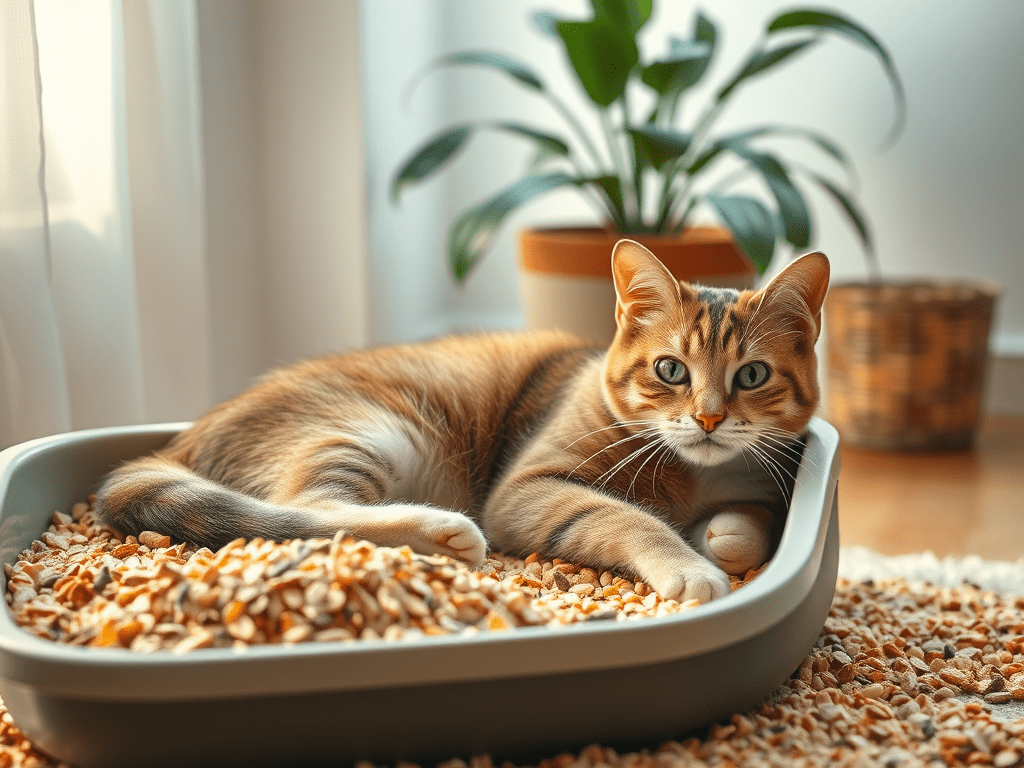
As more people prioritize sustainability in their daily lives, many cat owners are reevaluating the products they use for their furry companions. Among the most impactful and often overlooked changes is switching to natural cat litter. While traditional clay-based litters have dominated the market for decades, they come with a hefty environmental price tag. Natural alternatives, made from renewable resources like corn, wheat, wood, paper, or coconut husk, offer a cleaner, greener solution—without sacrificing odor control or clumping ability.
In this blog post, we’ll dive into the benefits of natural cat litter, compare popular types, address common concerns, and help you decide if it’s the right choice for your household.
The Problem with Traditional Clay Cat Litter
Clay-based cat litter, particularly those made from sodium bentonite, has long been favored for its exceptional clumping properties. However, its convenience comes with serious drawbacks:
1. Environmental Impact
Clay is harvested through strip mining—a destructive process that removes layers of topsoil and vegetation. This not only scars the landscape but disrupts ecosystems and contributes to habitat loss.
2. Non-Biodegradable
Clay litter doesn’t break down naturally. Once it’s tossed in the trash, it ends up in landfills, where it can sit for decades or even centuries.
3. Dust and Health Concerns
Traditional litters can produce significant amounts of dust, which may irritate your cat’s lungs—and yours. Some clay litters also contain silica dust, a known carcinogen with prolonged exposure.
What is Natural Cat Litter?
Natural cat litter refers to litter made from biodegradable and renewable resources. These litters often come in pellet, granule, or crumble forms, and can be compostable or even flushable, depending on the brand.
Common materials used include:
- Wood (pine, cedar, or reclaimed sawdust)
- Paper (recycled newspapers)
- Corn
- Wheat
- Coconut husks
- Walnut shells
- Grass seed
Each type brings its own set of advantages in terms of odor control, clumping, cost, and eco-friendliness.
Top Benefits of Natural Cat Litter
1. Eco-Friendly and Sustainable
Natural litters are often made from agricultural byproducts or renewable resources. Many are compostable and biodegradable, which significantly reduces your environmental footprint.
2. Less Dust, Better Air Quality
Many natural litters are virtually dust-free, which is better for both human and feline respiratory health. This is particularly important in households with asthma sufferers.
3. Safe for Cats (and Kittens)
Without artificial fragrances, dyes, or chemicals, natural litters are typically gentler on your cat’s skin and paws. They’re also less likely to cause allergic reactions.
4. Odor Control
Natural doesn’t mean smelly. Many eco-friendly litters have excellent odor control—some even neutralize ammonia naturally through the materials themselves.
5. Flushable Options
While not all municipal systems support it, some natural litters are designed to be flushable, reducing household waste even further. (Always check local regulations before flushing any litter.)
A Breakdown of Common Natural Litters
Here’s a quick comparison of the most popular types of natural cat litter:
| Type | Pros | Cons |
|---|---|---|
| Pine | Natural smell, strong odor control, low dust | May not clump as well as clay |
| Paper | Soft on paws, great for kittens or post-surgery | Doesn’t clump, may need frequent changing |
| Corn | Clumping, light, flushable | Potential mold if stored improperly |
| Wheat | Clumping, mild scent, biodegradable | Can attract bugs if not stored well |
| Coconut | Great absorbency, light weight | Harder to find, more expensive |
| Walnut | Strong odor control, clumping | Dark color can hide waste |
What to Consider Before Switching
1. Your Cat’s Preference
Cats can be picky. If they’ve been using clay litter their whole lives, transitioning may take some time. Gradually mixing the natural litter with their old one can help.
2. Budget
Natural litters can be more expensive upfront. However, some last longer, require fewer changes, or are more concentrated—potentially balancing the cost over time.
3. Availability
Not all brands are available at every pet store, though online shopping has made sourcing much easier.
4. Allergies
Even natural materials can cause reactions. Watch for any signs of allergies in your cat (e.g., excessive scratching, sneezing) when introducing a new litter type.
Tips for a Smooth Transition
- Mix Gradually – Start with 75% old litter and 25% natural, then slowly increase the ratio over a week or two.
- Use a Familiar Box – Keep everything else the same to reduce stress.
- Clean Often – Especially during the transition period, scoop regularly to maintain cleanliness.
- Observe Behavior – Make sure your cat is comfortable using the new litter and doesn’t start avoiding the box.
Final Thoughts
Natural cat litter is more than just a trend—it’s a shift toward healthier homes and a cleaner planet. Whether you’re motivated by environmental responsibility, your cat’s well-being, or simply a desire to reduce household dust, switching to a natural litter is a small change that can make a big difference.
As always, your cat’s comfort and safety come first. But with the growing range of high-performing natural litters on the market, there’s likely an option that suits both your needs.
Ready to make the switch? Your cat (and the Earth) will thank you.
 Natural Pet Blog
Leave a comment