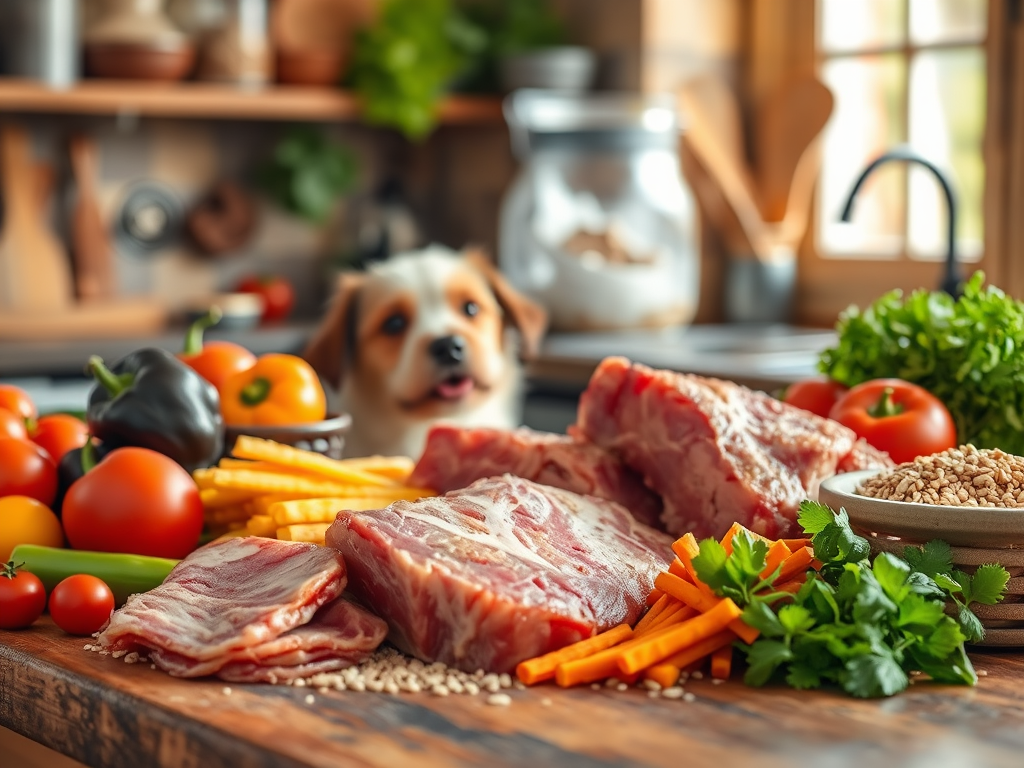
As pet parents, we’re always trying to give our dogs the best lives possible—long walks, cozy beds, belly rubs, and of course, nutritious meals. In recent years, there’s been a growing shift away from commercial kibble toward homemade diets for dogs. And for good reason: when done properly, feeding your dog a homemade diet can lead to noticeable improvements in health, energy, and longevity.
Let’s dive deep into the many benefits of homemade dog food, what it entails, and how to do it right.
Why Consider a Homemade Diet?
The idea behind homemade diets is simple: fresh, real food made from wholesome ingredients is better than heavily processed alternatives. Just as whole foods benefit humans, the same principle applies to our dogs. Traditional kibble often contains fillers, preservatives, artificial colors, and questionable meat by-products. Homemade diets let you control what goes into your dog’s body—offering transparency and peace of mind.
1. Improved Digestive Health
Commercial dog food often contains ingredients like corn, wheat, soy, or by-products that some dogs struggle to digest. A homemade diet eliminates these common irritants. With fresh, whole ingredients, dogs often experience:
- Better stool quality (firmer, less odor)
- Less gas and bloating
- Reduced instances of diarrhea or constipation
A well-balanced homemade meal supports gut health, especially when paired with natural fiber sources like sweet potatoes, pumpkin, and leafy greens.
2. Fewer Allergies and Skin Issues
Food allergies in dogs often manifest as itchy skin, hot spots, excessive licking, and ear infections. Many pet owners find that switching to a homemade diet—where potential allergens can be removed—leads to a dramatic reduction in symptoms.
Benefits may include:
- A shinier, healthier coat
- Reduced scratching and inflammation
- Fewer vet visits for chronic skin conditions
By avoiding artificial preservatives, dyes, and low-quality proteins, your dog’s immune system can also better regulate itself.
3. Weight Management
Obesity is a rising problem in pets, often driven by calorie-dense, carb-heavy kibble and a lack of portion control. Homemade diets allow for:
- Customizable portions based on your dog’s breed, age, activity level, and weight goals
- Lower carbohydrate content and higher-quality proteins
- Healthy fats that support energy levels without unnecessary weight gain
With homemade food, you’re in charge of ingredients, which means no hidden sugars or empty fillers sneaking into your dog’s bowl.
4. Enhanced Energy and Vitality
Many pet owners notice a remarkable increase in their dog’s energy levels after transitioning to a fresh, balanced diet. With better nutrient absorption and fewer inflammatory ingredients, dogs often become more playful, alert, and engaged.
This is especially important for:
- Senior dogs, who may suffer from fatigue or joint stiffness
- Working or high-energy breeds, who need optimal fuel for physical performance
- Rescue or recovering dogs, who may benefit from nutrient-dense meals during rehabilitation
5. Supports Long-Term Health and Longevity
A homemade diet can reduce the risk of chronic illnesses like:
- Diabetes
- Kidney disease
- Pancreatitis
- Certain cancers
Feeding fresh foods rich in antioxidants, omega-3 fatty acids, and lean protein helps prevent cellular damage and supports heart, liver, and brain function. Over time, this can contribute to a longer, healthier life.
6. Bonding and Trust
Preparing your dog’s food at home becomes an act of love. It deepens the bond between you and your pet, creating a ritual that reinforces trust. Dogs can sense effort and intention, and many enjoy watching their meals being prepared.
Feeding time becomes more than just another part of the day—it becomes a shared moment.
7. Transparency and Control
Perhaps the biggest benefit of homemade dog food is knowing exactly what your dog is eating. You choose:
- The quality and source of the meat
- Whether ingredients are organic or local
- If meals are grain-free, low-fat, or allergen-free
- Supplementation and rotation of ingredients for optimal nutrition
For dogs with medical conditions, homemade diets can be tailored precisely to their needs (with veterinary guidance), often more effectively than prescription kibble.
Things to Consider: It’s Not Just “Table Scraps”
Despite its many benefits, a homemade diet must be carefully balanced. Feeding your dog table scraps or random leftovers is not the same as a complete and nutritious meal. Dogs require specific ratios of:
- Protein
- Fat
- Carbohydrates
- Vitamins and minerals (especially calcium and phosphorus)
Feeding an unbalanced homemade diet over time can lead to nutrient deficiencies or health issues.
Tips for Starting a Homemade Diet the Right Way
✅ Consult with a Veterinary Nutritionist
This is crucial to ensure your dog’s meals meet their specific nutritional needs. A nutritionist can help you develop a feeding plan that includes the right balance of macros and micronutrients.
✅ Use High-Quality Ingredients
Think lean meats, organ meats (in moderation), vegetables like carrots or spinach, healthy oils (like salmon oil), and whole grains if tolerated.
✅ Avoid Toxic Foods
Never feed your dog: onions, garlic, grapes, raisins, chocolate, macadamia nuts, xylitol, or raw dough. These can be extremely harmful.
✅ Supplement as Needed
Most homemade diets will require supplements—especially for calcium, omega-3s, and certain vitamins. A vet can guide you on this based on your recipe.
✅ Batch Cook and Freeze
Prepare meals in bulk to save time. Store single portions in freezer-safe containers and defrost as needed.
Sample Ingredients for a Balanced Homemade Dog Meal
- Protein: Chicken, turkey, beef, salmon, eggs
- Vegetables: Sweet potatoes, peas, green beans, zucchini
- Grains (if tolerated): Brown rice, quinoa, oats
- Fats: Coconut oil, flaxseed oil, sardines
- Supplements: Fish oil, calcium carbonate, multivitamin powder
A sample balanced recipe might look like:
- 50% lean protein
- 25% vegetables
- 25% grains or legumes (optional)
- Plus supplements
Final Thoughts
Feeding your dog a homemade diet is a labor of love that, when done thoughtfully, can lead to real, lasting improvements in health and happiness. While it does require planning, effort, and a bit of nutritional know-how, the rewards—both physical and emotional—are often worth it.
Your dog’s body will thank you with every wag of their tail, every playful bark, and every year of vibrant, healthy life.
Have you made the switch to homemade meals for your dog? Share your recipes, challenges, or tips in the comments below!
 Natural Pet Blog
Leave a comment