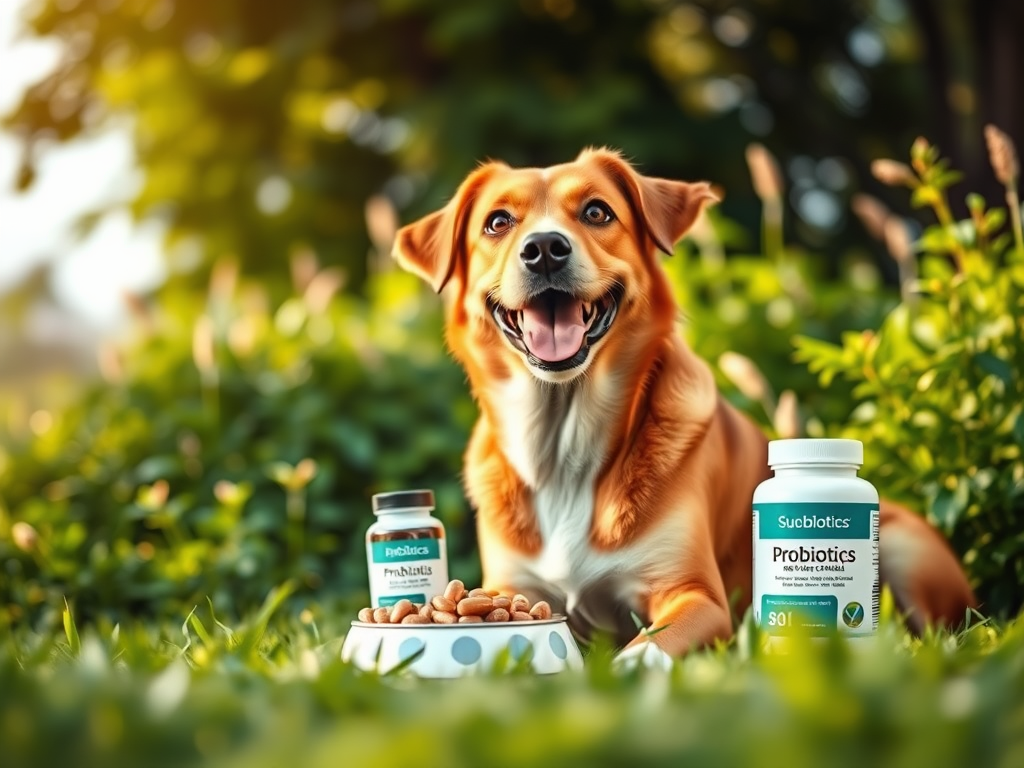
Your dog’s health begins in their gut. That might sound surprising, but the gastrointestinal system plays a much larger role in your dog’s overall wellness than most people realize. From digestion and immune function to mood and skin health, a well-balanced gut microbiome is essential. That’s where probiotics come in.
In this post, we’ll explore the powerful benefits of probiotics for dogs, how they work, when they’re needed, and how to choose the right supplement for your furry friend.
What Are Probiotics?
Probiotics are live, beneficial bacteria that promote a healthy balance in the gut microbiome. Dogs (like humans) naturally host billions of microbes in their digestive tracts. These microorganisms help break down food, absorb nutrients, and protect against harmful pathogens.
However, stress, poor diet, antibiotics, or illness can disrupt this microbial balance, leading to a range of issues. Supplementing with probiotics helps restore harmony by replenishing good bacteria and supporting optimal gut function.
Why Gut Health Matters for Dogs
Your dog’s gut is not just responsible for digesting food—it’s a critical component of their immune system, mental well-being, and even skin health. An estimated 70% of your pet’s immune cells live in their gastrointestinal tract, making gut health foundational to disease prevention and recovery.
A healthy gut microbiome contributes to:
- Efficient nutrient absorption
- Robust immune responses
- Fewer allergies and sensitivities
- Stable mood and behavior
- Protection from harmful bacteria and yeast
The Top Benefits of Probiotics for Dogs
1. Improved Digestive Health
This is the most immediate and well-known benefit of probiotics. They help regulate bowel movements and alleviate:
- Diarrhea (especially after antibiotics or stress)
- Constipation
- Gas and bloating
- IBD (inflammatory bowel disease) and colitis
Probiotics help digest food more efficiently, reducing digestive strain and supporting overall GI tract health.
2. Strengthened Immune System
A strong immune system starts in the gut. Probiotics help stimulate the production of protective antibodies and support the mucosal lining of the intestines, which acts as a barrier to harmful invaders. This helps your dog fight off infections more effectively and recover from illness faster.
3. Relief from Allergies and Skin Issues
There’s a strong connection between the gut and the skin—often referred to as the gut-skin axis. An imbalance in the gut can lead to systemic inflammation, which often shows up as:
- Itchy skin
- Rashes or hot spots
- Chronic ear infections
- Excessive licking or paw chewing
By restoring microbial balance, probiotics can reduce these allergic responses and improve skin integrity.
4. Better Mood and Behavior
Yes, probiotics can even affect your dog’s mood. The gut is often called the “second brain” because it produces neurotransmitters like serotonin, which influences mood and emotional regulation.
A healthy gut can mean:
- Reduced anxiety
- Fewer behavioral outbursts
- Improved response to training
- Greater adaptability to stress
If your dog suffers from separation anxiety, travel stress, or fear-based behaviors, probiotics might offer a subtle but effective layer of support.
5. Support During and After Antibiotic Use
Antibiotics are lifesaving when needed, but they often wipe out both harmful and helpful bacteria in the gut. This can lead to diarrhea, weakened immunity, and yeast overgrowth.
Administering probiotics during and after an antibiotic course helps:
- Re-establish microbial balance
- Reduce post-antibiotic diarrhea
- Prevent opportunistic infections like yeast
- Shorten recovery time
It’s often recommended to give probiotics a few hours apart from antibiotics for maximum effectiveness.
6. Yeast Control and Candida Balance
Excessive yeast (like Candida) can cause chronic itching, ear infections, and skin problems. Probiotic strains like Lactobacillus and Bifidobacterium help compete with yeast for resources in the gut, naturally keeping its growth in check.
If your dog has recurring ear or skin infections, probiotics can be an important part of managing yeast overgrowth from the inside out.
7. Improved Nutrient Absorption
Even if your dog is eating a high-quality diet, they may not be absorbing all the nutrients they need. Probiotics help break down food and extract more nutrients—especially B vitamins, calcium, magnesium, and zinc—making every meal more nutritionally valuable.
When to Consider Probiotics for Your Dog
You might consider adding probiotics to your dog’s diet if they:
- Recently took antibiotics or steroids
- Have chronic digestive issues (gas, diarrhea, constipation)
- Suffer from frequent skin or ear infections
- Show signs of food or environmental allergies
- Experience high levels of stress (e.g., moving, travel, boarding)
- Are aging or have a compromised immune system
Probiotics can also be used preventively for overall health maintenance, especially for active, working, or senior dogs.
Choosing the Right Probiotic for Dogs
Not all probiotic products are created equal. When shopping for a dog-specific probiotic, look for:
✅ Multiple Strains
A blend of bacterial strains (such as Lactobacillus acidophilus, Bifidobacterium animalis, and Enterococcus faecium) is generally more effective than a single strain.
✅ Guaranteed CFUs
Choose a product with a guaranteed number of live cultures (measured in CFUs—colony-forming units), ideally in the billions.
✅ Veterinary-Formulated
Opt for probiotics that are formulated specifically for pets, as they’re designed with dog-specific needs in mind.
✅ Prebiotics Included
Prebiotics like inulin or FOS feed the probiotics and help them thrive in the gut.
✅ Storage and Stability
Make sure the product is shelf-stable or refrigerated according to its requirements, and check expiration dates to ensure viability.
Natural Sources of Probiotics
If you prefer a food-based approach, there are also natural probiotic sources you can safely share with your dog (in moderation):
- Plain, unsweetened yogurt
- Kefir (goat’s milk is often preferred)
- Fermented vegetables (like sauerkraut, with no onions or garlic)
- Raw green tripe (a nutrient-rich organ meat full of probiotics and enzymes)
Always introduce new foods slowly and in small amounts to avoid upsetting your dog’s stomach.
Final Thoughts
Probiotics are a powerful tool in your dog’s health toolkit. They offer a gentle, natural way to support digestion, immunity, skin health, and even emotional well-being. Whether used daily or during times of need, probiotic supplementation can help your dog feel their best from the inside out.
Of course, always consult your veterinarian before starting any new supplement—especially if your dog has a medical condition or is on medication.
We personaly use Dogzymes Probiotic Daily Balance
Has your dog experienced health benefits from probiotics? Share your story, favorite brands, or questions in the comments below!
 Natural Pet Blog
Leave a comment