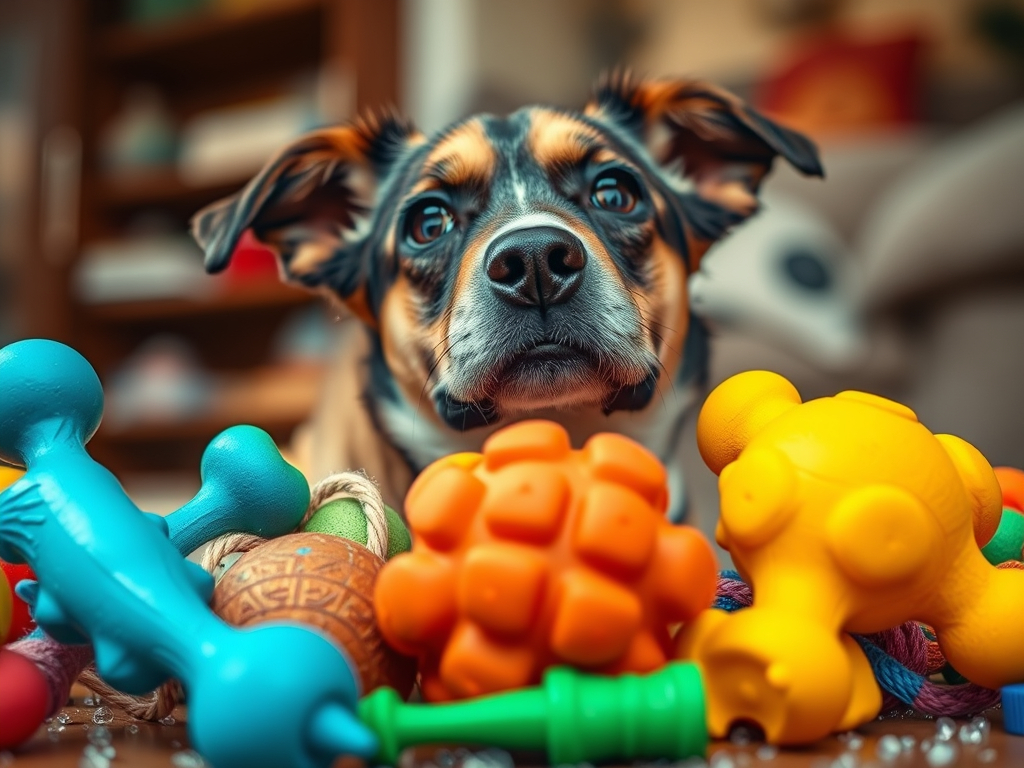
As pet parents, we want nothing but the best for our furry companions. Whether it’s nutritious food, regular vet checkups, or fun toys to keep them active, we go the extra mile. But there’s a silent threat lurking in many of the brightly colored, bargain-bin chew toys we buy without a second thought—microplastics.
Cheaply manufactured dog toys may seem like a harmless indulgence, but their hidden ingredients can pose significant health risks to your dog—and even to your household. In this article, we’ll dive deep into what microplastics are, how they end up in dog toys, the potential harm they cause, and how to make safer choices for your pup.
What Are Microplastics?
Microplastics are tiny plastic particles, generally less than 5 millimeters in size. They are either:
- Primary microplastics: Intentionally manufactured small plastics, like microbeads found in exfoliating products.
- Secondary microplastics: Result from the breakdown of larger plastic items due to wear, UV exposure, and other environmental factors.
Dog toys, especially those made from cheap or non-durable plastics, can rapidly degrade under chewing and rough play, releasing these harmful particles.
Why Are Microplastics in Dog Toys?
Many mass-produced dog chew toys are made from low-cost materials such as:
- PVC (polyvinyl chloride)
- BPA-laden plastics
- Synthetic rubbers
- Recycled or mystery plastics with no regulatory oversight
These materials are often filled with chemical stabilizers, plasticizers, colorants, and softeners that make the toy appealing—but also unstable. When chewed, slobbered on, or left in the sun, these toys start to break down, releasing microscopic fragments of plastic into your dog’s mouth and digestive tract.
Health Risks to Dogs
Here’s where the danger becomes clear. While research on the long-term effects of microplastics in pets is still developing, here’s what we already know from related studies and emerging evidence:
1. Gastrointestinal Distress
Dogs may swallow microplastic particles without you even noticing. These can cause:
- Vomiting
- Diarrhea
- Intestinal blockage (in severe cases)
- Chronic inflammation in the gut
2. Toxic Chemical Exposure
Plastics often contain harmful additives such as:
- Phthalates (hormone disruptors)
- Bisphenol A (BPA) (linked to cancers and endocrine disorders)
- Lead and heavy metals (neurotoxins)
These chemicals can leach into your dog’s body through the mucous membranes of their mouth and digestive system.
3. Immune and Hormonal Disruption
Persistent exposure to microplastics and associated chemicals has been shown to:
- Alter hormone production (especially estrogen and testosterone)
- Weaken immune response
- Trigger allergies and autoimmune reactions
4. Behavioral Changes
Though research is ongoing, studies in other mammals show links between microplastic exposure and:
- Increased anxiety
- Reduced learning capacity
- Neurological changes
Environmental Impact: Beyond Your Pet
The issue doesn’t stop with your dog. When plastic toys are chewed down to bits and end up in your trash (or backyard), they continue releasing microplastics into the environment. These particles can:
- Contaminate soil and groundwater
- Enter the food chain through wildlife
- Pollute waterways and ecosystems
Every piece of plastic contributes to a larger global crisis, making it not just a personal issue, but an ecological one.
How to Spot a Problematic Toy
Not all plastic toys are inherently dangerous, but many of the cheapest ones cut corners. Here’s what to watch for:
- No Material Labeling: If the packaging doesn’t tell you what the toy is made of, that’s a red flag.
- Unusually Strong Chemical Odor: A strong “plastic” or chemical smell could indicate volatile organic compounds (VOCs).
- Bright, Neon Colors: Often dyed using heavy metals.
- Very Soft or Easily Torn Material: Likely to degrade quickly under chewing.
- Imported With No Safety Standards Listed: Many cheap toys are mass-produced overseas with minimal safety regulation.
Safer Alternatives
Your dog still needs to chew, play, and engage with toys—but safer options exist:
1. Natural Rubber Toys
- Brands like West Paw and Kong use durable, non-toxic natural rubber.
- Long-lasting and less likely to break into small fragments.
2. Organic Cotton or Hemp Toys
- Great for tug and fetch games.
- Fully biodegradable and non-toxic if ingested.
3. FDA-Approved Chew Toys
- Look for toys labeled “BPA-free,” “phthalate-free,” and “non-toxic.”
- Companies with transparent material sourcing are more trustworthy.
4. Homemade Toys
- Old socks (supervised play only)
- Frozen carrots
- Knotted rags (washed and repurposed)
Final Thoughts
The health of our dogs is too important to leave to chance—and cheap plastic. While grabbing a $1 chew toy at the checkout line may seem like a small indulgence, the long-term cost could be your dog’s health.
As awareness around microplastics grows, it’s our responsibility as pet owners to stay informed and make thoughtful decisions. Choose quality over quantity, research the brands you trust, and don’t be afraid to ask what’s in your dog’s toy—because they can’t.


Leave a Reply